
Introduction to Resistance Testing in Power Systems
Purpose: Evaluation of ground resistance qualification
Objective: Ensuring safety of electrical equipment and personnel
Resistance testing forms a cornerstone in modern power systems, serving as a critical measure for evaluating ground resistance qualifications. This ensures both the safety of electrical equipment and the well-being of personnel. Utilizing the connection between electrical devices and the earth, this technique assesses the connectivity between wires or lightning protection downconductors and the ground, thus gauging the grounding system's efficacy. Through precise measurements, resistance testers are indispensable tools in upholding the operational safety of power infrastructures, mitigating risks associated with electrical malfunctions.
Advantages of Resistance Testers
Features: Fast measurement, high precision, intuitive display
Benefits: Strong anti-interference, portability, energy efficiency
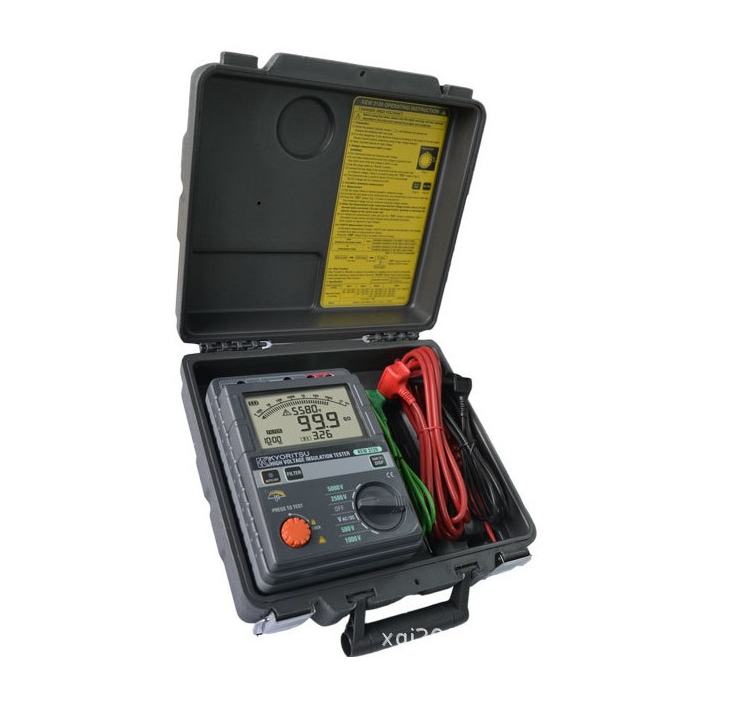
Boasting rapid measurement capabilities, high precision, and an intuitive display, resistance testers are characterized by their robust anti-interference features, compact size, minimal energy requirements, and consistent, reliable test outcomes that are minimally influenced by human error. These attributes render the resistance tester the preferred instrument for assessing the resistance of power transformers, low-voltage switch contacts, wires, cables, and weld joints. The efficiency gained over traditional electric bridges significantly boosts work productivity.
Common Faults and Solutions
Meter Needle Immobility
Potential Causes: Damaged meter or disconnected line
Solution: Manual needle adjustment and connection verification
A stationary meter needle could indicate damage to the meter itself or a severed connection line with the PCB circuit board. Addressing this involves manually adjusting the meter needle to check for automatic zeroing. A failure to reset suggests potential meter damage; whereas mobility prompts an inspection and possible re-soldering of the connection line to ensure electrical continuity.
Inability to Measure Ground Resistance
Potential Causes: Power supply circuit faults
Solution: Frequency meter analysis and component replacement
When battery voltage appears normal yet accurate measurements elude, the culprit often lies within the power supply circuit, specifically within the AC/DC conversion or constant current output sections. Utilizing a frequency meter to check for an 820Hz AC output at port C can diagnose the issue. Absence of output signals the need for a methodical examination and substitution of the defective power circuit components to reinstate device functionality.
Unstable Measurement Data
Potential Causes: Poor connection to ground
Solution: Inspection and repair of connecting wires and connectors
Fluctuating measurement data typically stem from inadequate connections between the resistance meter and the ground, attributed to broken cables or loose connectors which compromise conductivity. A thorough check followed by necessary repairs, and if needed, solder reinforcements on all connectors and wires is vital to ensuring accurate measurements and the smooth operation of the resistance tester.